Friday, October 12, 2012

Hyderabad Diary – Day 5 (11 Oct 2012)

News in Indian Media

I thought of sharing some news items related to the biodiversity conference, which appeared in Times of India, Hyderabad edition. There is a good reporting for environment related issues in Indian Newspapers. Decide yourself. 

Environmentalists urge alternatives to sand

'India committed to taking biodiversity agenda forward'

Activists slam govt's golf meet for CoP delegates

7 coastal sites in AP endangered


India to get a $100mn green boost


Experts call for harmonisation of laws


'Biodiversity in food crops needs to be preserved'

Countries split over bio budget

People's right biodiversity conflict: Harmonisation of laws called for

Activists demand action on fading coastal biodiversity at (COP) 11 in Hyderabad


Biodiversity conservation: Leader India, the laggard


Hyderabad Notes

The hotel we are staying is providing us a newspaper free of charge, delivered to the room around 6.30 am. Price of this 26 page Times of India (Hyderabad edition) is Rs. 2.50 only (= LKR 6.25)!. Furthermore, the paper contains more material to read than in Sri Lankan papers. We have to believe it.  

This doesn't mean that everything in India is cheaper than in Sri Lanka.

(The diary will be updated daily, based on the time available and may not be properly edited. I am grateful for the Green Movement of Sri Lanka for providing the opportunity to attend this event.)

Thursday, October 11, 2012

Hyderabad Diary – Day 3 & 4 (9-10 Oct 2012)


Two exhibitions worth visit

I reserved time to visit the two exhibitions hosted during the biodiversity summit. Both these are related to biodiversity, but in different scopes and thought to make a note on those.

'Biodiversity Haat'

The first exhibition titled known as ‘Biodiversity Haat’ is an exhibition of examples for sustainable natural resource usage as an alternative to non-degradable material in our day to day life. The stalls are represented by Indian organisations all over India who produce various eco-friendly products using natural resources. These include a large number of ornamental items, stationary, cloths, bags, pens, food items and medicines etc. This is a display of best practices and a common practice in Sri Lanka as well as in other countries. However, this has another good example in display – i.e. the eco-friendly stalls made of bamboo and sheltered with straw.


At a centre of the exhibition area was the statue of Mahatma Ghandi, the great India, who also promoted the simple livelihoods concept that will support the sustainability.

'Interactive fair for Biodiversity'

The other exhibition is named as ‘Interactive fair for Biodiversity’ and it houses a number of government and non-government (local and international) organisations working mostly in India. The main theme of the exhibition seems to create awareness of biodiversity of India – including wildlife as well as crop diversity. It is 'incredible India'. Some of the well known local and international organisations were present at the scene.

There is much more to write in this diary, but the time is limited.

Hyderabad notes

We found that what we know as Plain Dosai in Sri Lanka is called ‘Oothappam’ in Hyderabad. Plain Dosai in Hyderabad is a thin, paper like dosai. There is also a food item known as paper roast, which is quite large. (Hope I will be able to post pictures of these tomorrow.)

However thinking about my favourite food – red rice (ratu kekuklu bath), I am out of this for five days now!

(The diary will be updated daily, based on the time available and may not be properly edited. I am grateful for the Green Movement of Sri Lanka for providing the opportunity to attend this event)

Tuesday, October 9, 2012

Hyderabad Diary - Day two (8 Oct 2012)


 (HICC building, main venue of the conference)

The Conference begins

The 11th Conference of Parties to the Convention on Biological Diversity commenced ceremonially at Hyderabad today. A large gathering was there, may be more than 5,000 people. (Eventually this could be the largest gathering on biodiversity, as more than 14.000 participants have been pre-registered).

The host country guests included the Minister of Environment and Forests of India and the Chief Minister of Andra Pradesh.The opening session was chaired by the Union Minister of Environment and Forests of India, Jayanti Natarajan. In her impressive speech, she stressed the need of collective responsibility by all to ensure sustainable living and also said that the expenditure on biodiversity needs to be looked at as an investment.

Braulio Ferreira de Souza Dias, the Executive Secretary of CBD urged that he wants all the countries at CBD to reach the Aichi Targets. He also highlighted the need to release finances to achieve national level targets of biodiversity and it as a crucial asset of the development.

The legacy of the oriental civilisations with is related to biodiversity and its conservation was emphasized during the speeches.

I had opportunity to weak around what are the events to be held within the premises, exhibitions, side events and side events. As usual, there are a large number of side events on various themes and topics on biodiversity.


Hyderabad notes

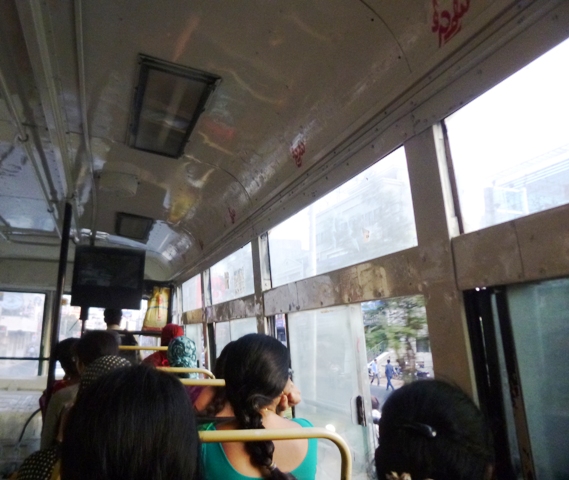
We had the opportunity to travel by bus on 8th. The passenger transport seems to be excellent as there were ample amount of buses on roads, but not crowded much, and leading to various places. One interesting issue was the seats reserved for ladies – 5 double seats on the right side and 2 double seats on the left side were reserved for ladies. There is a label above the seats, but was in Telingu (?) language only – girls and ladies come and stand at the seat pointing the label, a silent request. Further to this, double seat each on the left side of the bus were reserved for the “Physically Handicapped Persons” (PHP) and “Senior Citizens”. This is something we can copy Andra Pradesh!

 (see the label/ notice just above the window)

(The diary will be updated daily, but may not be properly edited. I am grateful for the Green Movement of Sri Lanka for providing the opportunity to attend this event)

Monday, October 8, 2012

In Hyderabad for Conservation (Hyderabad Diary - Day 1)


Reached Hyderabad yesterday, to attend the Conference of Parties of the Convention on Biological Diversity (COP 11-CBD), as an Observer. This is the 11th COP of the convention, which is held once in two years, last time it was held in Nagoya, Japan. The Convention was among the few conventions that received the highest global support. Although biodiversity related targets of the Millennium Development Goals were not accomplished during the last decade, the topic is a much discussed topics in environment. 

Hyderabad, the capital of Andra Pradesh, is the fifth largest city in India - the metropolitan area is about 650 square kilometres. That is about the size of the district of Colombo! The tour from airport to the conference venue and to the was a sightseeing visit, covering a large part of the city. The usual scenery included numerous multistory buildings rising all around the city, some rising on the rocky landscape bringing some urban beauty for the city. This development seems to be taken place during the recent past - with the advent of the development of the IT industry.

The climate of the city seems somewhat an arid climate (Wiki page mentions this as: "a combination of a tropical wet and dry climate (Köppen Aw) that borders on a hot semi-arid climate").

Few words on the arrangements: 

Hyderabad International Confere nce Centre is the main venue of the COP 11 and is a spacious location. It is called the centre of the Cyberabad, that is the main hub of the IT industry of Hyderabad. The Conference arrangements eased us from some routine matters like registration etc. which were well coordinated using modern technology wherever appropriate.

The conference is arranged to promote some eco-friendly activities. Such a one is the reusable bottle provided - instead of providing disposable PET water bottles they have instructed to use it to reduce the use of disposable cups. Great!

(The diary will be updated daily, but may not be properly edited. I am grateful for the Green Movement of Sri Lanka for providing the opportunity to attend this event)

Monday, September 24, 2012

ජගත් පරිසර විමසුම 141 (Global Environmental Watch)

ධනේෂ් විසුම්පෙරුම

විදුසර (Vidusara), 2012-09-19, පි. 11
http://www.vidusara.com/2012/09/19/feature3.html

විමසුම - සුළං බල විදුලිය - ශක්‍යතාව ඉහළයි, ඒත් පරිසරය තැකිය යුතුයි
ප්‍රමුඛ පුවත - වසර 30ක දී ජපානයත් න්‍යෂ්ටික බලයට සමු දෙයි
පුවත් සැකෙවින් - ජල හිඟයේ තරම/ ඕසෝන් දින සැමරුම/ නව වඳුරු විශේෂයක්‌ කොංගෝවෙන්


විමසුම
සුළං බල විදුලිය - ශක්‍යතාව ඉහළයි, ඒත් පරිසරය තැකිය යුතුයි

විදුලිය නිපදවීම සඳහා සුළං බලයට ඇති හැකියාව මේ දිනවල ලෝකයේ බලශක්‌ති ක්‌ෂේත්‍රයේ වැඩි අවධානයකට ලක්‌ ව ඇති කරුණකි. දේශගුණ වෙනස්‌ වීමට හේතු වන ෆොසිල ඉන්ධන වෙනුවට සුළඟ හා සූර්ය බලය වැනි පුනර්ජනනය කළ හැකි එසේම පිරිසිදු බලශක්‌ති ප්‍රභව පිළිබඳව බොහෝ රටවල් උනන්දු වී ඇත. මේ නිසා ඒ අංශයේ ආයෝජන ද ඉහළ ගොස්‌ තිබේ. මේ අතර වැඩි වශයෙන් ඇත්තේ දියුණු රටවල් වුවත් දියුණු වන රටවල් ද ඒ පිළිබඳව සැලකිල්ලක්‌ දක්‌වා තිබේ.

වර්තමානයේ සුළඟ මගින් නිපදවනු ලබන්නේ ලෝකයේ භාවිත වන සමස්‌ත විදුලිබලයෙන් සියයට හතරක්‌ තරම් ප්‍රමාණයකි. විදුලිබල ජනනයේ දී සුළං බලයට ඇති ශක්‍යතාව පිළිබඳව පසුගිය දා ප්‍රකාශයට පත් අධ්‍යයන දෙකක අවධානය යොමු වී තිබේ. ඉන් පෙනෙන්නේ සුළං බලයේ වර්ධනයට බලපාන යම් යම් සීමාකාරී සාධක තිබුණ ද, එමගින් ඉතා විශාල විදුලිබලයක්‌ ජනනය කරගත හැකි බව ය.

සුළං බලයේ ශක්‍යතාව


ඉන් එක්‌ අධ්‍යයනයක්‌ මගින් පෙන්වා දෙන්නේ ගොඩබිම හා මුහුදේ පිහිටුවා ඇති සුළං ටර්බයින මගින් දැනට ලෝකයේ භාවිත වන සමස්‌ත විදුලි බලය මෙන් අති විශාල විදුලියක්‌ ජනනය කළ හැකි බව ය. මීටර් 395ට වඩා අඩු උස මට්‌ටමේ සුළං භාවිතයට ගන්නා පොළොව මතුපිටට ආසන්න ව පිහිටා ඇති ටර්බයින මගින් නිපදවිය හැකි විදුලි බලය ටෙරාවොට්‌ 428කට අධික ය. එහෙත් වඩා ඉහළ අහසේ හමා යන සුළඟේa ඇති ශක්‌තිය අධික නිසා විශේෂ ටර්බයින යොදාගනිමින් ඉහළ උන්නතාංශ සුළං බලයෙන් (high-altitude wind power) ලබාගත හැකි විදුලිය මීට වඩා වැඩි ය. එය ටෙරාවොට්‌ 1873කට අධික ප්‍රමාණයක්‌ ජනනය කළ හැකි ය.

එහෙත් දැනට ලෝකයේ භාවිත වන විදුලිබලය ප්‍රමාණය ටෙරාවොට්‌ 18ක්‌ පමණක්‌ වන නිසා භූභෞතික සාධකවල සීමාකාරී බවක්‌ නොමැති ව භූමිය මත පොළොවට ආසන්නව පිහිටුවන ටර්බයින මගින් පමණක්‌ වුවත් ලෝකයට අවශ්‍ය ප්‍රමාණය මෙන් විසි ගුණයක විදුලියක්‌ නිපදවිය හැකි ය. (ඉහළ උන්නතාංශ සුළං බලයෙන් අද භාවිත වන විදුලි බලය මෙන් සිය ගුණයක්‌ තරම් විදුලියක්‌ නිපදවිය හැකි ය.) දේශගුණ ආකෘතියක්‌ මගින් සිදු කර ඇති මේ අධ්‍යයනය අනුව සුළං බලය සඳහා බලපෑ හැක්‌කේ පාරිසරික හා ආර්ථික සාධක පමණි. ලෝකය පුරා සමානව ව්‍යාප්ත වී ඇති සුළං ටර්බයින මගින් පොළොවේ දේශගුණයට මෙමගින් බලපෑමක්‌ ඇති නො කරයි. (මූලාශ්‍රයNatureClimate Change,DOI: 10.1038/nclimate1683)

මේ අතර සුළං බලය පිළිබඳව සිදු කරන ලද තවත් අධ්‍යයනයක්‌ අනුව මීටර් 100ක පමණ උස මට්‌ටමේ සවි කරන ලද ටර්බයින යොදා ගනිමින් වර්තමාන බලශක්‌ති පරිභෝජනයෙන් අඩකට ආසන්න ප්‍රමාණයක්‌ නිපදවීමට බලපාන කිසිදු බාධාවක්‌ නොමැත. ඒ හුදෙක්‌ ටර්බයින මිලියන හතරක්‌ පමණ ප්‍රමාණයක්‌ මගිනි. (මූලාශ්‍රයProceedings ofthe National Academy of Sciences, DOI:10.1073/pnas.1208993109)

සීමාකාරී විය හැකි පාරිසරික බලපෑම්

සුළඟ පිරිසිදු බලශක්‌ති ප්‍රභවයක්‌ බව අප දන්නා කරුණකි. එහෙත් සුළං විදුලියේ අහිතකර පාරිසරික බලපෑම් නැතිවා නො වේ. නිදසුනක්‌ ලෙස අප මේ විමසුම ඔස්‌සේ මින් ඉහත දී ද සාකච්ඡා කර ඇති ආකාරයට එය වවුලන්ට යම් බලපෑමක්‌ විය හැකි ය. එසේ ම ඇතැම් ප්‍රදේශවල දී පක්‌ෂීන්ට බලපෑමක්‌ කළ හැකි බව තවත් අධ්‍යයනවලින් හෙළි වී තිබේ. (2012-08-15 දින හා 2012-04-18 දිනවල ජගත් පරිසර විමසුම බලන්න). එසේ ම පරිසරයේ ස්‌වභාව දර්ශනයට මේ ටර්බයින ඉදි කිරීමෙන් ඇති වන බලපෑම් ද සැලකිල්ලට ලක්‌ ව ඇති කරුණකි.

පරිසරයට හානිකර නො වන ආකාරයෙන් සුළං බලය යොදාගත හැකි ආකාරය අවධානයට ලක්‌ කළ යුතු කරුණකි. ඉහත සඳහන් බලපෑම් අවම වන ආකාරයෙන් - එනම් පක්‌ෂීන් හා වවුලන් වැනි සතුන්ට හානි නො වන ආකාරයෙන් - සුළං ටර්බයින ස්‌ථාපනය කළ හැකි ය. එසේ ම මේ ටර්බයින ස්‌ථාපනය කරන ස්‌ථාන හා ප්‍රදේශ ද මෙහි දී වැදගත් වේ. ස්‌වාභාවික භූ දර්ශනයට අවම හානියක්‌ සිදු වන ආකාරයෙන් සුළං ටර්බයින පිහිටුවීම ද කළ හැකි ය. ලෝකය මේ පිළිබඳව යම් අවධානයක්‌ යොමු කළ යුතු අතර නොඑසේ නම් සිදු විය හැක්‌කේ හුදෙක්‌ "පිරිසිදු බලශක්‌ති ප්‍රභවයකි" යන ලේබලය යටතේ පාලනයකින් තොර ව සුළං ටර්බයින පිහිටුවීමෙන් පාරිසරික වශයෙන් යම් බලපෑමක්‌ ඇති වීම ය.

ඒ අනුව අදාළ අංශවල අවධානය යොමු විය යුත්තේ ශක්‍යතාව පවත්නා පමණින් සුළං විදුලිය හැකිතාක්‌ නිපදවීමට නො ව, පරිසරයට අවම බලපෑමක්‌ වන පරිදි සුළං බලය යොදා ගැනීම පිළිබඳව ය. සුළඟ පමණක්‌ නො ව සූර්ය බලය හා ජල විදුලිය වැනි පුනර්ජනනය කළ හැකි බලශක්‌ති ප්‍රභව ගණනාවක්‌ ඇති නිසා අනාගත බලශක්‌ති ක්‌ෂේත්‍රයේ ගැටලුවක්‌ ඇති නො වනු ඇත.

ප්‍රමුඛ පුවත
වසර 30ක දී ජපානයත් න්‍යෂ්ටික බලයට සමු දෙයි

න්‍යෂ්ටික බලයෙන් ඈත් වීමට ජපානය සූදානම් වන බවක්‌ පසුගිය සතියේ වාර්තා විය. ඒ අනුව ඉදිරි වර්ෂ 30ක කාලය ඇතුළත ක්‍රමයෙන් න්‍යෂ්ටික බලය අත්හැරීමට සැලසුම් කර ඇති බව එරට රජය නිවේදනය කළේය. මේ අනුව 2040 වර්ෂය වන විට එරට සියලු න්‍යෂ්ටික බලාගාර වසා දැමීමට ජපානය තීරණය කර ඇත. න්‍යෂ්ටික බලාගාරවලින් තම බලශක්‌ති අවශ්‍යතාවෙන් සැලකිය යුතු ප්‍රමාණයක්‌ ලබාගත් ජපානය ගත් මේ තීරණය එරට රාජ්‍ය ප්‍රතිපත්තිවල පැහැදිලි වෙනසක්‌ පෙන්නුම් කරයි. පසුගිය වර්ෂයේ ජපානයේ ඇති වූ භූමිකම්පාව හා සුනාමිය නිසා ෆුකුෂිමා ප්‍රදේශයේ න්‍යෂ්ටික බලාගාරයේ අනතුර සිදු වන විට ජපානය න්‍යෂ්ටික බලය භාවිත කරන රටවල් අතර තුන්වැනි තැන පසු විය. මේ අනුව එරට බලශක්‌ති අවශ්‍යතාව සඳහා ඉදිරියේ දී පුනර්ජනනය කළ හැකි බලශක්‌තිය සමස්‌ත බලශක්‌ති අවශ්‍යතාවෙන් 30%ක්‌ දක්‌වා ප්‍රවර්ධනය කිරීම ද නව බලශක්‌ති සැලසුම්වල ඇතුළත් වේ.

ෆුකුෂිමා අනතුරේ ප්‍රතිඵලය වූයේ ලෝකයේ බරපතළ ම න්‍යෂ්ටික ආපදාවකට ජපානය පත් වීම ය. විකිරණවලට නිරාවරණය වූ විශාල ප්‍රදේශයක්‌ ජනශුන්‍ය කරන ලද අතර තවමත් මේ සමහර ප්‍රදේශවල ජනතාව පදිංචි වීමට ඉඩ ලබා නො දේ. මේ අර්බුදයෙන් පසුව න්‍යෂ්ටික බලයට එරෙහි ව ජපාන වැසියන් අතර විරෝධයක්‌ ඇති වූ අතර එරට ක්‍රියාත්මක සියලු බලාගාර තාවකාලිකව වසා දමන ලදි. එහෙත් මේ අවස්‌ථාවේ ජගත් මට්‌ටමෙන් ඇති වූ න්‍යෂ්ටික විරෝධය නිසා ජර්මනිය, ස්‌විට්‌සර්ලන්තය වැනි රටවල් තම න්‍යෂ්ටික බලාගාර මුළුමනින් ම වසා දැමීමට පෙලඹිණි. එහෙත් මේ දක්‌වා ජපාන බලධාරීන් සිටියේ න්‍යෂ්ටික බලාගාර තවදුරටත් පවත්වා ගත යුතුය යන අදහසේ ය. පෙර සඳහන් ප්‍රතිපත්තිමය වෙනස වැදගත් වන්නේ එවැනි තත්ත්වයක්‌ හමුවේ ය. එය වර්තමාන රජයේ ජනප්‍රියතාව වර්ධනය වීමට ද බලපෑ හැකි බව සඳහන් වේ.

අපේ රටට ආසන්නව ඉන්දියාවේ තමිල්නාඩු ප්‍රාන්තයේ කූදාන්කුලම් ප්‍රදේශයේ මේ වන විට න්‍යෂ්ටික බලාගාරයක්‌ ඉදි කෙරෙමින් පවතී. මේ වන විට ඉන්දීය වැසියන් අතරින් ඊට එරෙහි ව දැඩි විරෝධයක්‌ මතු වී තිබේ.

පුවත් සැකෙවින්

ජල හිඟයේ තරම

වැඩි වන ජනගහනයට අවශ්‍ය ආහාර නිෂ්පාදනය සැපයීමට හා රටවල් අතර ගැටුම් ඇති වීම වැළැක්‌වීම සඳහා ලෝකයේ අනාගත ජල අවශ්‍යතාවේ තරම පෙන්වා දෙන වාර්තාවක්‌ පසුගිය දා නිකුත් විය. ඒ අනුව 2025 වර්ෂය වන විට ලෝකයට නයිල් ගඟ වැනි තවත් ගංගා 20ක්‌ පමණ අවශ්‍ය වේ. සංඛ්‍යාත්මකව දක්‌වන්නේ නම්, ඒ වන විට තවත් ඝන කිලෝමීටර 1000ක පමණ ජල ප්‍රමාණයක්‌ කෘෂිකර්මය සඳහා පමණක්‌ අවශ්‍ය වේ.

ජල හිඟය බරපතළ ලෙස බලපෑ හැකි රටවල් අතර චීනය හා ඉන්දියාව ද වේ. 2030 වර්ෂය වන විට මේ දෙරටේ ම ජල අවශ්‍යතාව සැපයුම ඉක්‌මවා යනු ඇත. කෙසේ වෙතත් මේ වාර්තාවේ දැක්‌වෙන පරිදි ජලය සංරක්‌ෂණය කරගැනීමෙන් හා නාස්‌තිය වැළැක්‌වීමෙන් සැලකිය යුතු වෙනසක්‌ සිදු කළ හැකි ය. නිදසුනක්‌ ලෙස, දියුණු වන රටවල සමස්‌ත නළ ජල ප්‍රමාණයෙන් 40%ක්‌ පමණ ජල සම්පාදනය අතර දී අහිමි වේ. එසේම ජල හිඟයක්‌ ඇති රටවල් ඊට විකල්ප සෙවීමේ ඇති වැදගත්කම ද මෙහි දක්‌වා ඇත.

මේ වාර්තාව නිකුත් කර ඇත්තේ ලෝකයේ හිටපු රාජ්‍ය නායකයන් හතළිහක පමණ පිරිසක ගෙන් සැදුම් ලත් InterAction Council නම් කණ්‌ඩායම හා තවත් ආයතන කිහිපයක්‌ විසිනි. ඔවුන් මෙහෙ දී පවසන වැදගත් ම කරුණ වන්නේ එක්‌සත් ජාතීන් ගේ ආරක්‌ෂක මණ්‌ඩලය, ජලය සඳහා අදට වඩා වැඩි ප්‍රමුඛතාවක්‌ ලබා දිය යුතු බව ය. (මූලාශ්‍රයThe Global Water Crisis: Addressing an Urgent Security Issue, www.inweh.unu.edu/WaterSecurity/documents/ WaterSecurity_FINAL_Aug2012.pdf)

ඕසෝන් දින සැමරුම


ඕසෝන් දිනයේ සැමරුම පසුගිය ඉරිදා දිනට යෙදී තිබිණි. ඒ වෙනුවෙන් ලෝකයේ විවිධ ප්‍රදේශවල විවිධ කටයුතු සංවිධානය කර තිබෙනු දැකගත හැකි විය. ඕසෝන් ස්‌තරයේ ආරක්‌ෂාවට හේතු වූ මොන්ටි්‍රයල් සන්ධානයේ 25 වැනි සංවත්සරය මේ වර්ෂයට යෙදී ඇත. මේ කාලය ඇතුළත ඕසෝන් වියන රැකගැනීම අරභයා ලෝකය ම සැලකිය යුතු ජයක්‌ අත්පත් කරගෙන තිබේ.

අනෙක්‌ අතට අප මින් ඉහත දී ද සඳහන් කර ඇති පරිදි ඕසෝන් දිනය වැදගත් වන තවත් කරුණක්‌ වන්නේ මෙය ලෝකය සාමූහිකව අත්පත් කරගත් ජයග්‍රහණයක්‌ වන නිසා ය. ඕසෝන් ස්‌ථාරයේ විනාශයට හේතු වන බව පෙන්වා දී තිබූ ප්‍රධාන රසායනික සංයෝග වන ක්‌ලෝරෝෆ්ලෝරොකාබන් සංයෝග 98%කට අධික ප්‍රමාණයක්‌ භාවිතයෙන් ඉවත් කර තිබේ.

නව වඳුරු විශේෂයක්‌ කොංගෝවෙන්

අප්‍රිකානු මහාද්වීපයේ කොංගෝ ප්‍රජාතන්ත්‍රවාදී ජනරජයේ මධ්‍යම ප්‍රදේශයෙන් නව වඳුරු විශේෂයක්‌ වාර්තා වේ. ජානමය අධ්‍යයනවලින් පසු මේ නව විශේෂය Cercopithecus lomamiensis ලෙස නම් කර ඇත. ඒ ආසන්නයේ පිහිටා ඇති ලොමාමි ගංගාවේ නමිනි. ඒ අනුව ගත වූ දශක තුනක කාලයක්‌ ඇතුළත අප්‍රිකාවෙන් වාර්තා වන දෙවැනි නව වඳුරු විශේෂය මෙයයි.

2007 වර්ෂයේ දී මේ වඳුරා පිළිබඳ තොරතුරු මුලින් ම අනාවරණය වූ අවස්‌ථාවේ දී ඒ නව විශේෂයක්‌ බවට අදහසක්‌ තිබී නැත. එහෙත් පසුව ඒ බව තහවුරු වී ඇත. මින් පෙනෙන්නේ ජෛවවිවිධත්වය පිළිබඳ නූතන විද්‍යාත්මක දැනුමේ ඇති අඩුපාඩු ය. එසේ ම නව වඳුරු විශේෂය සීමිත ප්‍රදේශයක පමණක්‌ ව්‍යාප්ත වී ඇති අතර ආරක්‌ෂිත ප්‍රදේශයක්‌ නො වන බැවින් ඒ පරිසරය මානව තර්ජනවලට ලක්‌ වී තිබේ. වාසනාවකට මෙන් අදාළ ප්‍රදේශය ආරක්‌ෂිත ප්‍රදේශයක්‌ ලෙස නම් කිරීමට කටයුතු කෙරෙමින් තිබේ. (මූලාශ්‍රයPLoS ONE, DOI: 10.1371/journal.pone.0044271)

http://www.vidusara.com/2012/09/19/feature3.html

Monday, September 17, 2012

What now after Rio+20?

Dhanesh Wisumperuma
The Nation, 08-07-2012

http://www.nation.lk/edition/feature-viewpoint/item/8010-what-now-after-rio20.html


The much anticipated global environment summit or the Rio+20 Conference is over. The outcome was discussed and reviewed during the past week. The key outcome of the declaration is a plan to prepare a set of goals, “Sustainable Development Goals”, which is to be implemented in future. There is no legally binding target or stern action aimed at conserving the environment and achieving sustainable development.

UN Secretary General Ban Ki-Moon has said; “Rio+20 has given us a solid platform to build on. And it has given us the tools to build with – the work starts now”. However many civil society organizations have pointed out that the outcome is too weak to solve pressing environmental and development issues. The United Nations Conference on Sustainable Development has not provided the dramatic turn of events the world expected.

In other words, the world leaders have collectively postponed answering crucial environmental issues, at least by another three years. It is too early to guess whether there will be a legally binding treaty by the end of this period. No one can confirm that the tug of war between the developing and developed nations is yet over. It is worthy to note that there were certain “unholy” alliances observed during this summit where some countries that are well known political opponents, joined together to water down some key points of the declaration.

Result not unexpected


The result of Rio+20 was not entirely unexpected. Many leaders, scientists and campaigners had no hopes for crucial development at the summit. Attention on environmental issues has been declining in the global political stage, mainly due to emerging economic crisis and the confrontations between developed and developing nations. No leader was taking environmental issues seriously.

This was the cause for the lack of leadership at Rio+20, which is being blamed as the major cause for the summit’s failure. Some leaders of the major economies were absent, while there was an encouraging participation from the developing nations.

Way forward


What is the role of the public at this stage? They can accept all whether those are good or bad, and without taking any effort to make a change. Or they can voice their concerns and act, since they have every right to do so.
For instance, change is taking place, seeded and promoted by the general public. These initiatives include age-old practices widely followed by people in the past but almost forgotten due to the advent of modern technology. Many such grassroots level developments are taken as models for sustainability. Unfortunately, most of these are still not absorbed into the mainstream processes of relevant fields. Sustainable agriculture is a prime example and is now being increasingly accepted at the face of serious environmental concerns.

Changing people’s attitudes is crucial. What is necessary is not just to mobilize people or the community, but to mobilize the political leadership. People can take steps to motivate their leaders to create the change people need. Leaders should be encouraged to accept the limits of nature, natural resources and “real” sustainability, as this word is often used to denote destructive development processes.

Hence mobilizing people, who can in the long run lobby their leadership, is crucial. A strong voice from the community backed by sound sustainability is the need of the day, a fact highlighted by some of the environmental and social activists who returned from Rio+20. This requires active participation of various social groups - civil society representatives, journalists and most importantly, people who are conscious of the environment.

Sri Lankan scenario

Recent environmental and development related issues in Sri Lanka have apparently triggered mixed reactions. Certain actions, with regard to natural resources and environment, taken by the present government are controversial. For instance, the massive development drive in the country has a significant impact on the environment and natural resources, raising grave social concerns.

This could make the negative effects more serious than the long-term benefits. The recent cancellation of permits required for sand transportation is a prime example. We are aware of the land degradation resulting from excessive river sand mining in many areas and close monitoring is necessary to reduce this impact. Similar exploitation of other natural resources – both biotic and abiotic – that is connected to rapid economic development is observed.

The most important issue is that the environmental policies change with the government, in many countries of the world. Moreover policies of the same government can change within a short period of time. However, such change is only positive and acceptable if it benefits all or the majority of people as well as sustainability – something most people forget. Lobbying by people and informed groups could change the direction of policies of a government. Hence need for activism remains essential more than ever. Highlighting this collective responsibility, mentioning his little daughters an activist of Greenpeace said “…their future is decided by all of us, who must unite to build a movement of movements to force the future we want”.

There is a long way to go. But there may be the ‘sustainable’ future we want!

Sunday, September 16, 2012

Our Historical Memory Loss

Dhanesh Wisumperuma

The Nation, 16-09-2012, UNDO, page 3

http://www.nation.lk/edition/undo/item/10388-our-historical-memory-loss.html

“CMC busts Rs.5 m for just one lecture” is the headline of a news item published in ‘The Nation’ (February 19, 2012) referred to the Mayor of Colombo approving a workshop at Kandalama Hotel. It was claimed that the “… Kandalama Hotel (was) a project vehemently condemned by his party [i.e. the UNP] a decade ago during the Chandrika Kumaratunga administration”. This is incorrect. The Kandalama Hotel was built during the United National Party administration and opened before Kumaratunga became President.

H.L. Seneviratne gives the date given for the above mentioned massive protest campaign or the satyagraha held in Dambulla as 12th June 1991, in his book The work of kings: the new Buddhism in Sri Lanka. It predates the events by a year and one month!

Construction work on the hotel, located in the catchment area of Kandalama Wewa, begun in late 1991 with the strong backing of the Premadasa Government and in spite of protests based on the location of the hotel, the possible negative impact on culture etc. No construction is allowed in the catchment area of a tank under the traditional systems that prevailed in the country. It was claimed that people living in traditional villagers were also removed from the catchment area of Kandalama tank when it was renovated in 1960s.

The Kandalama protest campaign gathered the support of various groups - civil activists, environmentalists and also some politicians then in the opposition. Then, as now, there was no lack of people ever ready to agitate against the Government. The climax of this campaign was the massive satyagraha demonstration at the slopes of the Rangiri Dambulla Rajamaha Vihara on July 12, 1992. In fact some opposition vowed to convert the hotel into a hospital when thy capture power. An inquiry was held by the Chandrika Kumaratunga administration and it was found there are no serious issues arising from the hotel. The hotel is now recognized for being environment-friendly, subsequent to some alterations in its design. It nevertheless remains square on the catchment area.

This is not a malady restricted to Sri Lanka or Sinhalese. Time blurs, discolors and in other ways alter memory. Indeed, the erroneous may even replace the real (like the above mentioned event) and may be buttressed by invented folklore.

Such situations ate often called “historical memory loss” where “historical memory” is defined as the collective understanding that a specific group of people shares about past events which this group perceives as having shaped its current economic, cultural, social, and political status and identity. It is a term that is yet to be fleshed out of course, but it is getting frequent mention in academic circles.

There are other lesser known examples, for instance the ceremonial opening of the Tower Hall Theatre, Colombo in December 1911. The story based on an “eye witness account” and the printed script of a drama mentions that the hall was opened at an event held in the presence of the then Governor of Sri Lanka and other distinguished guests. The Governor, Sir Henry McCallum was not in the country in the entire month of December, and it was the Mayor of Colombo who was the chief guest. The date given for the opening is 6th December in that story, but it was opened only on the 16th as revealed by contemporary newspaper reports. The true story of Tower Hall Theatre opening will be included in the forthcoming book titled Tower rangahal vamsa katawa by Prof Tissa Kariyawasam.

Such errors creep into popular writing as well as in academic writing but could be remedied by referring to authentic sources. The best way to minimize error is to check official records of relevant institutions (government or non government), contemporary literature including diaries of reliable individuals and the comparing of newspaper reports.
The memory of the Sinhala people (majority of the country) lasts only for a period of two weeks, some say. That is a lie that was turned to ‘fact’ by Velupillai Prabakaran and later picked up (perniciously) as “fact” and abused by those with their own vested interests. It’s more than three years since terrorism was defeated. Have the people forgotten? The Government believed the people will remember the victory over terrorism and show gratitude. The opposition thought otherwise. The ruling party won, some will say because things were remembered.

Some will say the era of terror and its impact should be remembered as it will be a lesson for the future too. Will it be erased from memory? Will it be mis-remembered? We don’t know. The not knowing is perhaps the charm of remembrance and learning lessons, or the forgetting and still learning lessons no less skewed.

http://www.nation.lk/edition/undo/item/10388-our-historical-memory-loss.html

ජගත් පරිසර විමසුම - Global Environmental Watch (140)

ධනේෂ් විසුම්පෙරුම

විදුසර (Vidusara), 2012-09-12, පි. 11
http://www.vidusara.com/2012/09/12/feature3.html


විමසුම - රළ පහරේ බලය අඩු කරන්නට කඩොලාන සතු හැකියාව
ප්‍රමුඛ පුවත - ආක්‌ටික්‌ සාගරයේ පා වන අයිස්‌ දිය වීම
පුවත් සැකෙවින් - කාන්තාර ජෛවවිවිධත්වයත් මිනිසුන් නිසා අනතුරේ?/ කෙන්යා කන්ද වටා විදුලි වැටක්‌/ බැංකොක්‌ දේශගුණ සමුළුවෙන් මිශ්‍ර ප්‍රතිඵල


රළ පහරේ බලය අඩු කරන්නට කඩොලාන සතු හැකියාව


කඩොලාන වැනි පරිසර පද්ධති වෙරළබඩ පරිසරයේ හා ගොඩබිම් තීරුවේ ආරක්‌ෂාව සඳහා වැදගත් බව බෙහෙවින් පිළිගැනෙන කරුණකි. විශේෂයෙන් සුළඟ නිසා හටගන්නා දැඩි රළ පහරින් ගොඩබිම ආරක්‌ෂා කිරීම සඳහා කඩොලාන බොහෝ ප්‍රයෝජනවත් ය. සුළිසුළං හා කුණාටු වැනි ස්‌වාභාවික ආපදාවලින් පරිසරයට සිදු වන හානිය වළක්‌වා ලීම සඳහා ද කඩොලාන වනාන්තරවලට හැකියාව තිබේ. එසේ ම ඇතැම් අධ්‍යයනවලින් පෙන්වා දී ඇති පරිදි එසේ ම සුනාමි වැනි ප්‍රබල තත්ත්වවල දී ද කඩොලාන පරිසරය යම් බාධකයක්‌ ලෙස සීමා සහිත ව හෝ ක්‍රියා කරයි.

කෙසේ වෙතත් සුළඟ මගින් ඇති කරන රළ පහර නිසා ඇති වන බලපෑම් වැළැක්‌වීමට කඩොලාන වනාන්තර බොහෝ සේ ප්‍රයෝජනවත් ය. මේ පිළිබඳව සිදු කරන ලද නවතම අධ්‍යයනයක්‌ පසුගිය අගෝස්‌තු මාසයේ දී ප්‍රකාශයට පත් විය. එය ප්‍රකාශයට පත් කර ඇත්තේ තෙත්බිම් ජාත්‍යත්තරය (Wetlands International) හා නේචර් කොන්සර්වන්සි (Nature Conservancy) නම් ජාත්‍යන්තර ආයතන මගිනි. මේ හා සම්බන්ධව ප්‍රකාශයට පත් කර ඇති අධ්‍යයන වාර්තා යොදාගනිමින් දියුණු කර ඇති පුළුල් ආකෘතික අධ්‍යයනයක්‌ ලෙස සිදු කර ඇති මේ පර්යේෂණයේ දී මූලික වශයෙන් අවධානය යොමු වී ඇත්තේ සෙන්ටිමීටර් 70කට වඩා අඩු උසක්‌ ඇති සුළඟ මගින් ඇති වන රළ පහර (swell waves) නිසා ඇති වන බලපෑම් පිළිබඳව ය.

රළ පහරේ බලපෑම් අඩු කිරීම


ඒ අනුව මීටර් සියයක්‌ පමණ දිගු කඩොලාන තීරුවක්‌ මගින් රළවල උස සියයට 13ත් 66ත් අතර ප්‍රමාණයකින් අඩු කිරීමට හැකියාව ඇති බව මෙහි දී හෙළි වී තිබේ. මේ ආකාරයෙන් රළවල ශක්‌තිය හා උස අඩු කිරීම සඳහා කඩොලාන තීරුව ක්‍රියා කරන්නේ රළ පහරේ ශක්‌තිය හානි කිරීමට බාධකයක්‌ ලෙස ය. ඉන් හෙළි වන කරුණු අනුව රළ පහරේ උස අඩු කිරීම සඳහා කඩොලාන තීරුව කෙතරම් පළල වේ ද යන්න සැලකිය යුතු සාධකයක්‌ වේ.

මේ බලපෑම සඳහා හේතු වන ප්‍රධාන සාධකය වන්නේ කඩොලාන අතර දැකිය හැකි විශාල ශාක වර්ග ය. නිදසුනක්‌ ලෙස ගත හොත්, නොගැඹුරු ජලයේ දී වැඩි බලපෑමක්‌ ඇති කරන්නේ කඩොලාන ශාක අතර ඇති වායුධර මුල් සහිත ශාක මගිනි. අනෙක්‌ අතට වඩා ගැඹුරු ජලයේ දී ගස්‌වල පහත මට්‌ටමේ ඇති අතු මගින් ද ඒ හා සමාන බලපෑමක්‌ ඇති වේ. මේ තත්ත්වය සඳහා වෙරළේ දැකිය හැකි බෑවුම ද වැදගත් වේ. උක්‌ත අධ්‍යයනයේ දී අනාවරණය වූ කරුණු යොදාගනිමින් වියට්‌නාමයේ කඩොලාන මගින් සිදු කරන රළ අඩු කිරීම පිළිබඳව කිසියම් පුරෝකථනයක්‌ සිදු කිරීමට ද හැකියාව ලැබී ඇත.

කෙසේ වෙතත් මෙහි දී පෙනී ගොස්‌ ඇති පරිදි බොහෝ අධ්‍යයන මගින් අවධානය යොමු කර ඇත්තේ සාපේක්‌ෂව අඩු උසක්‌ වන සෙ.මී. 70ට අඩු උසක්‌ ඇති රළ පිළිබඳව ය. මේ නිසා වඩා අධික උසක්‌ ඇති රළ පහර සම්බන්ධව හා වඩා ප්‍රබල සුළං පිළිබඳව දක්‌වන ප්‍රතිචාරය පිළිබඳව තවත් අධ්‍යයන අවශ්‍ය ව තිබේ. කෙසේ වෙතත් රළ පහරේ වේගය අඩාල කිරීමට කඩොලානවලට හැකියාව ඇති බැවින් මනාව කළමනාකරණය කරන ලද කඩොලාන තීරුවකින් ලැබෙන ප්‍රයෝජන සැලකිය යුතු තරම් ය.

මේ ප්‍රයෝජනය නො සලකා හැර තිබේ ද?

උක්‌ත අධ්‍යයනයෙන් හෙළි වී ඇත්තේ කඩොලාන පරිසර පද්ධති මගින් ඇති වන එක්‌ හිතකර හා වැදගත් බලපෑමකි. එහෙත් අපේ පරිසරයට මෙන්ම මිනිසුන්ට ද බොහෝ ප්‍රයෝජන ලබා දෙන මේ අපූරු පරිසර පද්ධති මේ වන විට මුහුණ දී ඇති තර්ජනය මහත් ය. ඉන් වඩාත් බරපතළ වන මිනිසුන් විසින් සිදු කරනු ලබන විනාශයට අමතරව දේශගුණ වෙනස්‌ වීම නිසා ඇති වී තිබෙන්නේ ද දැඩි තර්ජනයකි. මේ නිසා ස්‌වාභාවික ආපදාවලින් ඇති වන බලපෑම් වැළැක්‌වීමට දක්‌වන මිල කළ නොහැකි තරම් වන දායකත්වය ලෝකයට ලබා දීමට මේ අගනා පරිසර පද්ධතියට තවත් කෙතෙක්‌ කලක්‌ හැකි වේ ද යන්න අද ලෝකය හමුවේ ඇති ගැටලුව වේ. (මූලාශ්‍රයReductionofwindandswellwavesbymangroves”www.naturalcoastalprotection.org/documents/reduction-of-wind-and-swell-wavesby-mangroves)

ප්‍රමුඛ පුවත
ආක්‌ටික්‌ සාගරයේ පා වන අයිස්‌ දිය වීම

ආක්‌ටික්‌ සාගරය මතුපිට පා වන අයිස්‌ දිය වීමේ වේගය අපේක්‌ෂා කළ වේගයට වඩා අධික බව විද්‍යාඥයන් යළිත් තහවුරු කර තිබේ. පසුගිය මාසයේ අග භාගයේ දී මේ අයිස්‌ මට්‌ටම මෙතෙක්‌ වාර්තාගත අවම මට්‌ටමට ළඟා වූ අතර එය තවදුරටත් අඩු වෙමින් තිබේ. සාමාන්‍යයෙන් ආක්‌ටික්‌ සාගරයේ අයිස්‌ ආවරණයේ අවම මට්‌ටම ඇති වන්නේ සැප්තැම්බර් මස මැද දී පමණ ය.

අයිස්‌ දිය වන වේගය මීට වර්ෂ විස්‌සකට පමණ පෙර අපේක්‌ෂා කළ ප්‍රමාණයට වඩා ඉහළ බව පෙන්වා දී තිබේ. වෙනත් ආකාරයකින් පවසන්නේ නම් 1980 වර්ෂයේ දී පැවැති අයිස්‌ ආවරණයේ ප්‍රමාණය වර්ග කිලෝමීටර් මිලියන 8ක්‌ පමණ වූ අතර 2007 වර්ෂයෙන් පසුව එය මිලියන 4ක්‌ පමණ දක්‌වා අඩු වී තිබේ. (මෑත කාලයේ දී සිදු වී ඇති අයිස්‌ දිය වීමේ තරම සිතියමෙන් දැක්‌වේ. එහි ළා පැහැ ඉරකින් දැක්‌වෙන්නේ 1979-2000 කාලයේ දී ග්‍රීෂ්ම Rතුවේ පැවැති අයිස්‌ ආවරණයේ සාමාන්‍ය මට්‌ටමයි. 2012 වර්ෂයේ පවත්නා අයිස්‌ ආවරණය සුදු පැහැයෙන් දැක්‌වේ.)

අයිස්‌ තට්‌ටුව දිය වීමෙන් ඇති විය හැකි තත්ත්වය බරපතළ ය. එවිට සාගර මතුපිට ඇති සුදු පැහැය සාපේක්‌ෂව අඩු වේ. මේ සුදු පැහැය නිසා ඒ මතට වැටෙන ආලෝකය පරාවර්තනය වීම සිදු වන අතර සුදු පැහැ අයිස්‌ තට්‌ටුව වෙනුවට පවත්නා අඳුරු පැහැ ජලය මගින් ආලෝකයේ ඇති තාපය වැඩි වශයෙන් අවශෝෂණය කරයි. එහි ප්‍රතිඵලය නම් සාගර ජලය තවදුරටත් උණුසුම් වීම ය. මේ ආකාරයෙන් අවශෝෂණය කරගන්නා තාප විකිරණ ප්‍රමාණය වසර විස්‌සක කාලයක්‌ තිස්‌සේ වායුගෝලයට එකතු වන කාබන් ඩයොක්‌සයිඩ් ප්‍රමාණය හා සමාන බව පෙන්වා දී තිබේ.

එමෙන් ම අයිස්‌ තට්‌ටුව තුනී වීම නිසා ද යම් බලපෑමක්‌ ඇති විය හැකි ය. තුනී අයිස්‌ තට්‌ටුවක්‌ හරහා ආලෝකය ගමන් කරන ප්‍රමාණය අධික ය. මේ නිසා ද ජලයේ උෂ්ණත්වය වඩා ඉහළ යයි.

මේ ආකාරයෙන් දිගින් දිගට ම අයිස්‌ දිය වීම සිදු වුව හොත්, අනාගතයේ දී ග්‍රීෂ්ම Rතුවේ දී ආක්‌ටික්‌ ප්‍රදේශවල අයිස්‌ සම්පූර්ණයෙන් ම නොමැති විය හැකි බව පෙන්වා දී තිබේ. මේ තත්ත්වය නිසා ඇති විය හැකි බලපෑම් පිළිබඳව දැන් අවධානය යොමු වී ඇත. එය යුරෝපයේ කාලගුණයට යම් අහිතකර බලපෑමක්‌ කළ හැකි බව මේ වන විට පෙන්වා දී තිබේ. (මූලාශ්‍රය ඇමෙරිකාවේ ජාතික හිම සහ අයිස්‌ දත්ත මධ්‍යස්‌ථානය, http://nsidc.org/arcticseaicenews)


පුවත් සැකෙවින්

කාන්තාර ජෛවවිවිධත්වයත් මිනිසුන් නිසා අනතුරේ?
මානව මූලික කටයුතු නිසා ලෝකයේ විවිධ ප්‍රදේශවල පිහිටි කාන්තාර පරිසර පද්ධතිවල සත්ත්ව විවිධත්වය හායනයට ලක්‌ වන බව පර්යේෂණ වාර්තාවකින් පෙන්වා දී තිබේ. ඒ අනුව වැඩි ම බලපෑමකට ලක්‌ ව ඇත්තේ කාන්තාර වැනි ශුෂ්ක හා අර්ධ ශුෂ්ක පරිසර පද්ධතිවල වාසය කරන ක්‌ෂීරපායින් ය. ක්‌ෂීරපායි ප්‍රජාව ගේ විවිධත්වයට හා ප්‍රාදේශීය වඳ වීම්වලට හේතු වන මෙවැනි සාධක අතර පශු පාලනයේ දී සතුන් අධික ලෙස තෘණ ආහාරයට ගැනීම, දැව කැපීම, දඩයම් කිරීම, ගිනි හා ආක්‍රමණීක ජීවී විශේෂ ආදිය වේ.

කාන්තාරබද සත්ත්ව විශේෂ 110ක්‌ පමණ ආවරණය කරමින් සිදු කර ඇති ඇති අධ්‍යයන 25ක්‌ සමාලෝචනය කරමින් සිදු කරන ලද මේ පර්යේෂණ පත්‍රිකාවෙන් පෙන්වා දී ඇති ආකාරයට මේ සංකීර්ණ පරිසර පද්ධතියේ ක්‍රියාකාරිත්වයට මිනිසුන් නිසා සැලකිය යුතු බලපෑමක්‌ ඇති විය හැකි ය. සාමාන්‍යයෙන් නිසරු හෝ විවිධත්වයෙන් අඩු පරිසර පද්ධතියක්‌ සේ සැලකෙතත් වියළි හා කාන්තාර පරිසර පද්ධතිවල ජෛවවිවිධත්වය සැලකිය යුතු තරම් ඉහළ ය. මේ අනුව කාන්තාර ජෛවවිවිධත්වය ආරක්‌ෂා කිරීම සඳහා වැඩි අවධානයක්‌ යොමු කළ යුතු බව ඉතා පැහැදිලි ය. (මූලාශ්‍රය:Journal of Arid Environments, DOI:10.1016/j.jaridenv.2012.06.016&)

කෙන්යා කන්ද වටා විදුලි වැටක්‌

අප්‍රිකාවේ දෙවැනි උස ම කන්ද වන කෙන්යා කන්දේ (Mt Kenya) ජීවත් වන වනජීවීන් අවට ප්‍රදේශවලට පැමිණීම වැළැක්‌වීම සඳහා කන්ද වට කරමින් විදුලි වැටත් ඉදි කිරීමට කෙන්යා රජය තීරණය කර තිබේ. මේ කඳු ප්‍රදේශයේ සිට අවට ප්‍රදේශවලට පිවිසෙන අලින් හා වෙනත් වන සතුන් නිසා අවට ප්‍රදේශයේ වැසියන්ගේ වගාබිම්වලට ඇති වී තිබෙන ගැටුම් නිමාවට පත් කිරීම එහි අරමුණ වේ.

මේ අනුව වර්ග කිලෝමීටර් දෙ දහසක පමණ වනාන්තර ප්‍රදේශයක්‌ ආවරණය කරමින් කිලෝමීටර් 400ක්‌ පමණ දිගු විදුලි වැටක්‌ ඉදි කිරීමට නියමිත ය. එහි ඇති විශේෂත්වය වන්නේ උසින් මීටර් දෙකක්‌ පමණ වීම හා භූගත ව තවත් මීටරයක පමණ ගැඹුරක්‌ දක්‌වා විහිදීම ය.

බැංකොක්‌ දේශගුණ සමුළුවෙන් මිශ්‍ර ප්‍රතිඵල

පසුගිය සතියේ තායිලන්තයේ බැංකොක්‌හි දී අවසන් වූ දේශගුණ වෙනස්‌ වීම පිළිබඳ සාකච්ඡා වටයේ දී කිසියම් වර්ධනයක්‌ සිදු වී ඇති බව ඇතැම් පාර්ශ්ව පෙන්වා දෙන නමුත් සත්‍ය වශයෙන් ඇති වී තිබෙන්නේ මිශ්‍ර ප්‍රතිඵලයක්‌ බව පැවසිය හැකි ය. මෙහි දී සෙල්සියස්‌ අංශක 2 සීමාවේ උෂ්ණත්ව ඉහළ යැම පවත්වා ගැනීමට නම් 2020 වන විට හරිතාගාර වායු විමෝචන සීමා කිරීම සැලකිය යුතු තරම් විය යුතු බවට රටවල් එකඟ වී ඇති අතර එය අප මේ වන විටත් දන්නා මෙන්ම ලෝකය කලින් ද එකඟ වී සිටි කරුණකි. කියෝටෝ සන්ධානය දිගු කිරීම පිළිබඳව යම් එකඟතාවක්‌ මෙහි දී ඇති වී ඇති අතර වන විනාශයේ හා වන හායනයේ විමෝචන අඩු කිරීමේ යාන්ත්‍රණයේ ද යම් වර්ධනයක්‌ සිදු විය. එසේ ම 2015 දී ඇති කර ගැනීමට නියමිත ගිවිසුම සම්බන්ධ කරුණුවල යම් වර්ධනයක්‌ ඇති වී තිබේ.

එහෙත් පුළුල්ව සලකා බැලීමේ දී මේ වර්ධනය කෙතෙක්‌ ප්‍රමාණවත් වේ ද යන්න පැවසීමට තවමත් කල් වැඩි ය. ඇතැම් රටවල් සුපුරුදු පරිදි මේ සාකච්ඡා වටය ද දියාරු කර හැරීමට උත්සාහ කරනු මේ සාකච්ඡා අතර පවා දැකිය හැකි විය. එසේ ම මේ තීරණ හෝ එකඟතා පිළිබඳව වර්ෂය අවසානයේ දී දෝහාහි දී පැවැත්වෙන දේශගුණ සමුළුවේ දී සම්මුතියකට පැමිණියවිය යුතු ය.

http://www.vidusara.com/2012/09/12/feature3.html